PIC microcontroller labs and a team-built active noise-canceling system prototype
Coursework from ASU's EGR 338 (Microcontrollers in Smart Systems, Spring 2024) covering hands-on PIC embedded programming labs and a capstone design project. The labs progress through flashing LEDs and combinational logic, the comparator module, UART/SPI/I2C serial communication between PIC16F917 and PIC16F887 microcontrollers, and a programmable digital-potentiometer-driven 555 timer oscillator. The final project, built by the six-member Team A.I (Acoustic Innovators), is an active Noise Canceling System (NCS) prototype that captures audio, processes it on a PIC-based microcontroller, and outputs a noise-reduced signal.
Embedded firmware was written in C and flashed to PIC16F887/PIC16F917 microcontrollers using MPLAB X IDE, the Microchip XC8 compiler, and a PICKit3 in-circuit programmer, with circuits prototyped on breadboards and signals verified on a Digilent Analog Discovery board and oscilloscope. The NCS final project followed a structured design process: rationale and engineering goals, two evaluated design alternatives, final schematic selection, and a defined testing protocol of calibration, frequency-response sweep, and ambient-noise simulation. Saif's role centered on research and producing the report and presentation while teammates handled circuit construction and testing, all within an 8-week project timeline.
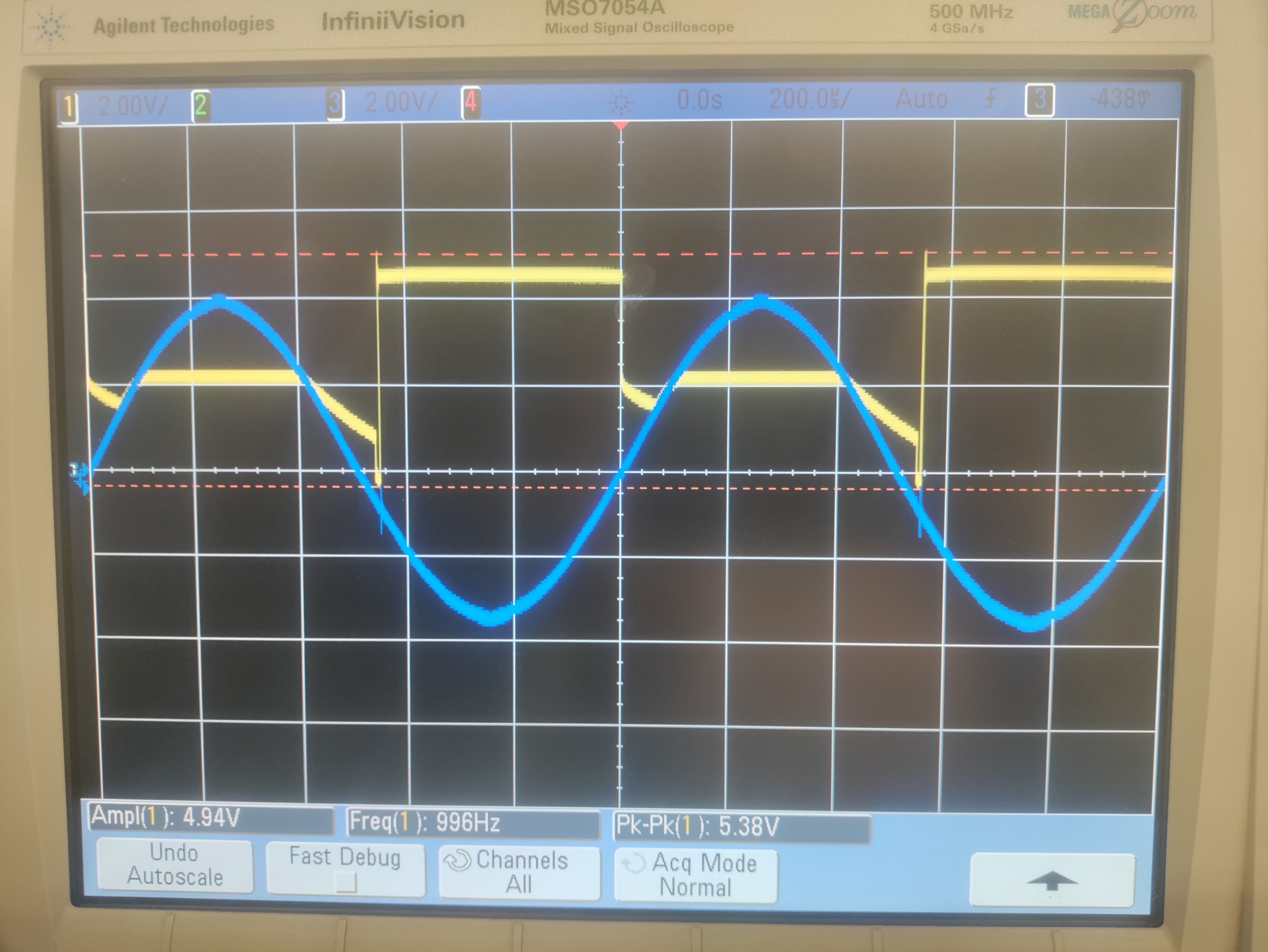
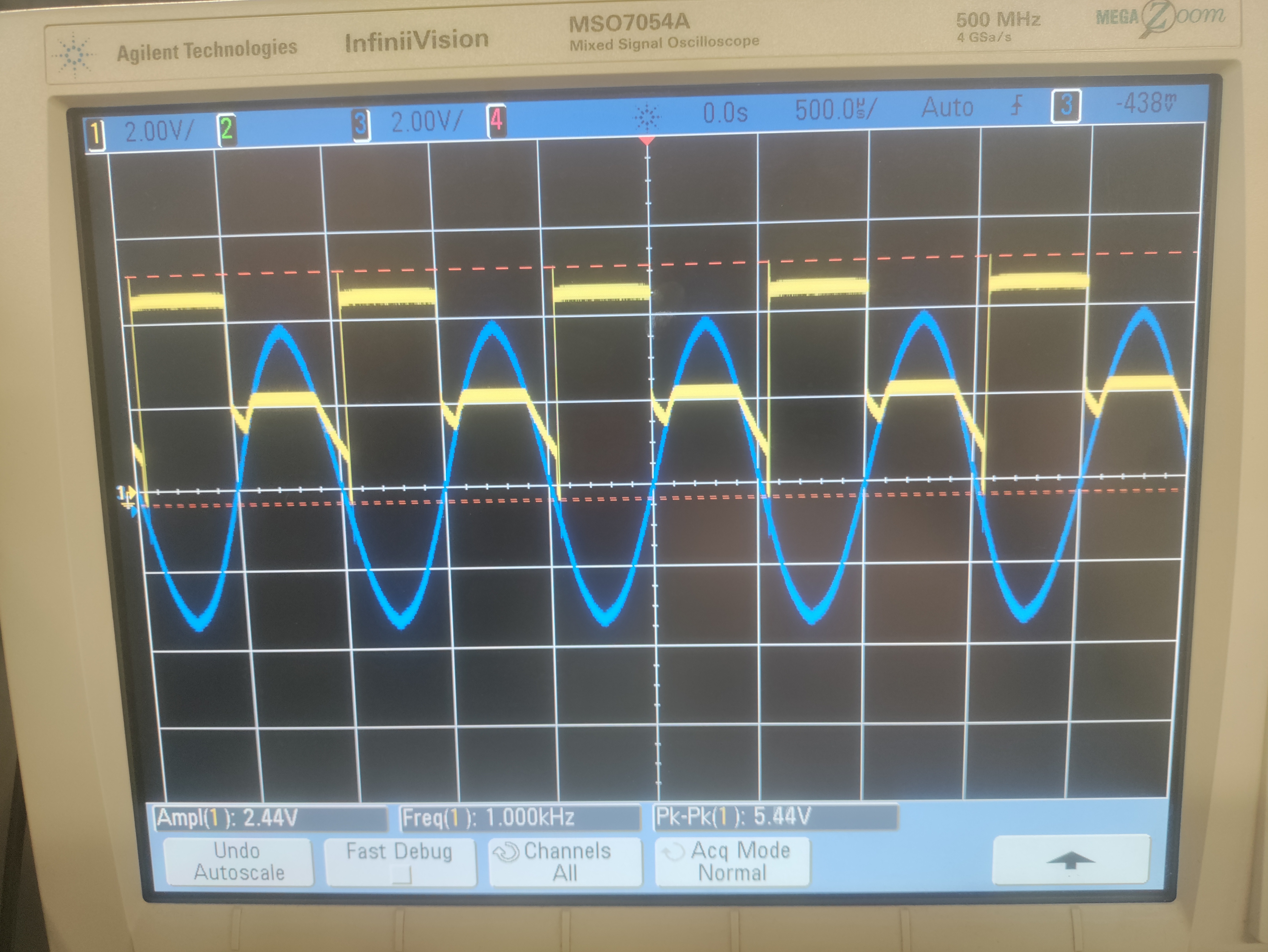
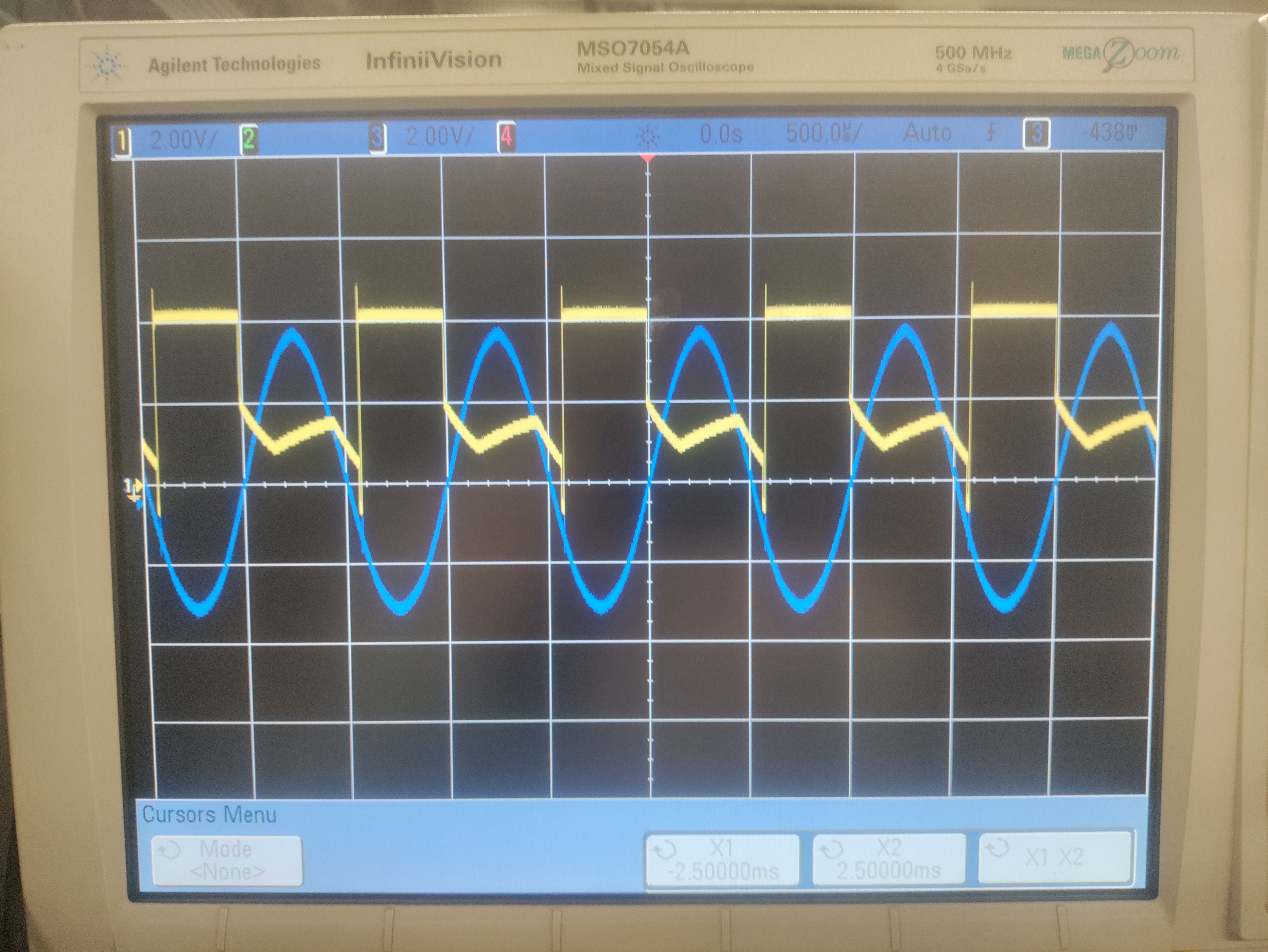
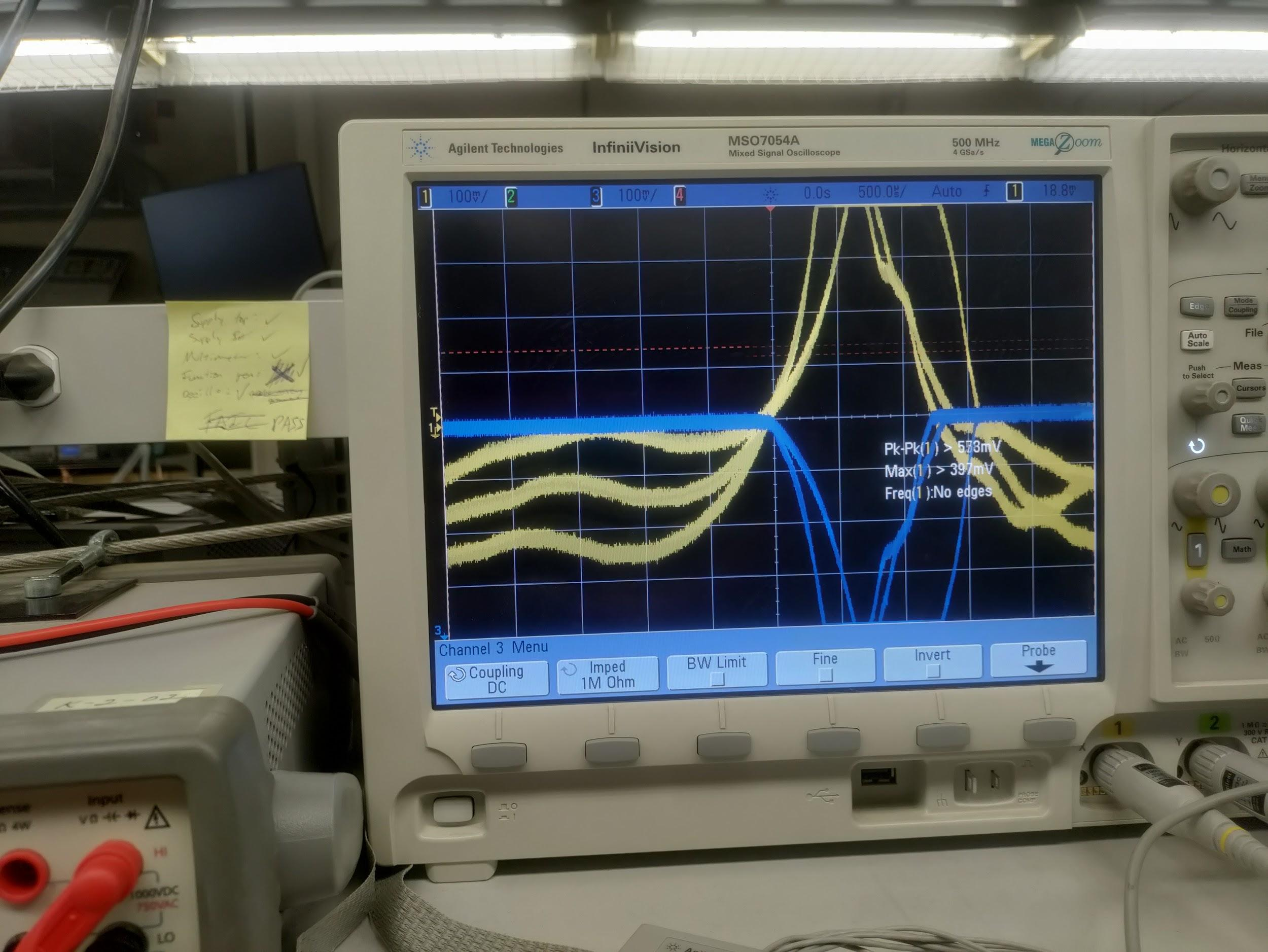
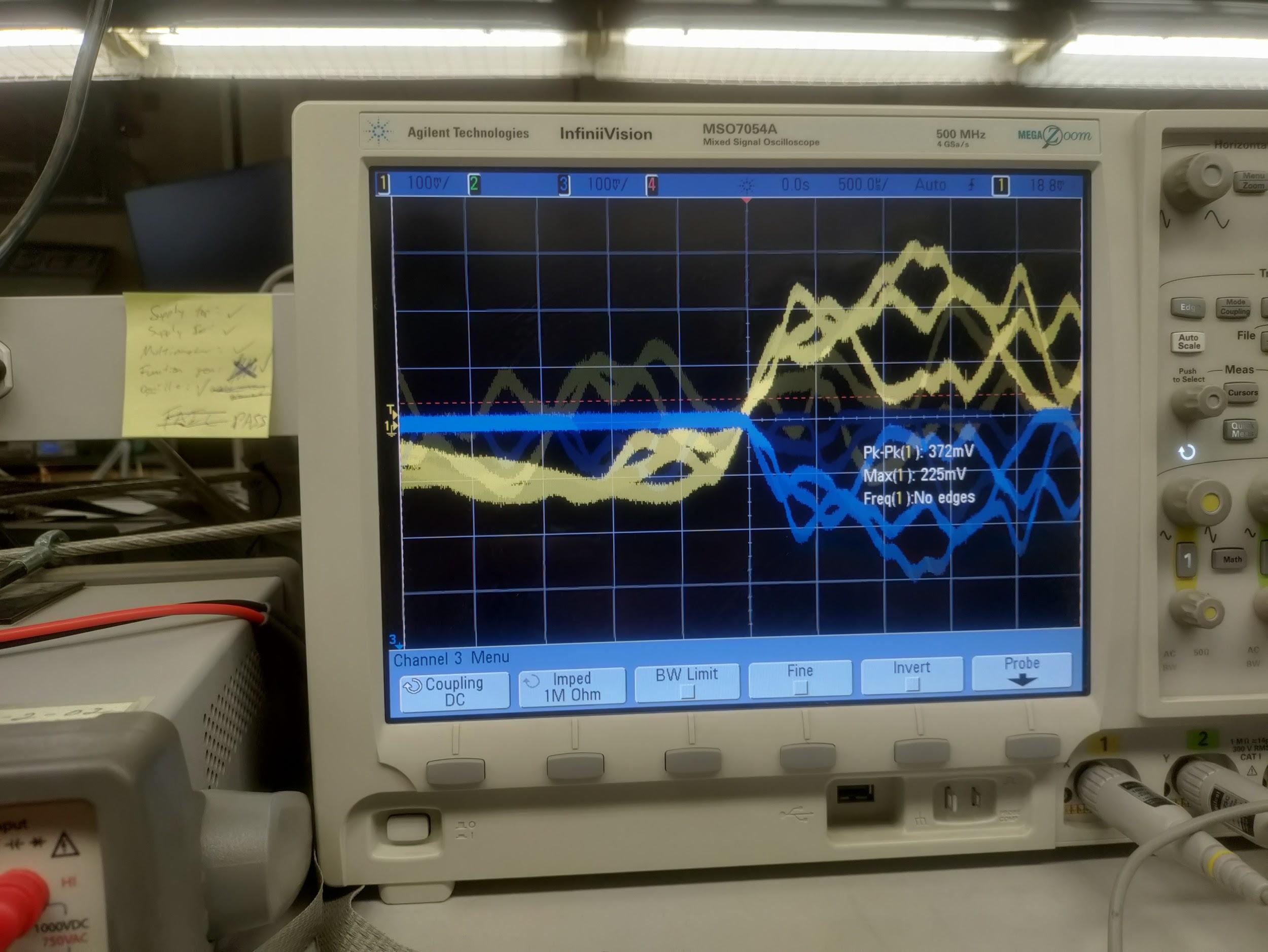
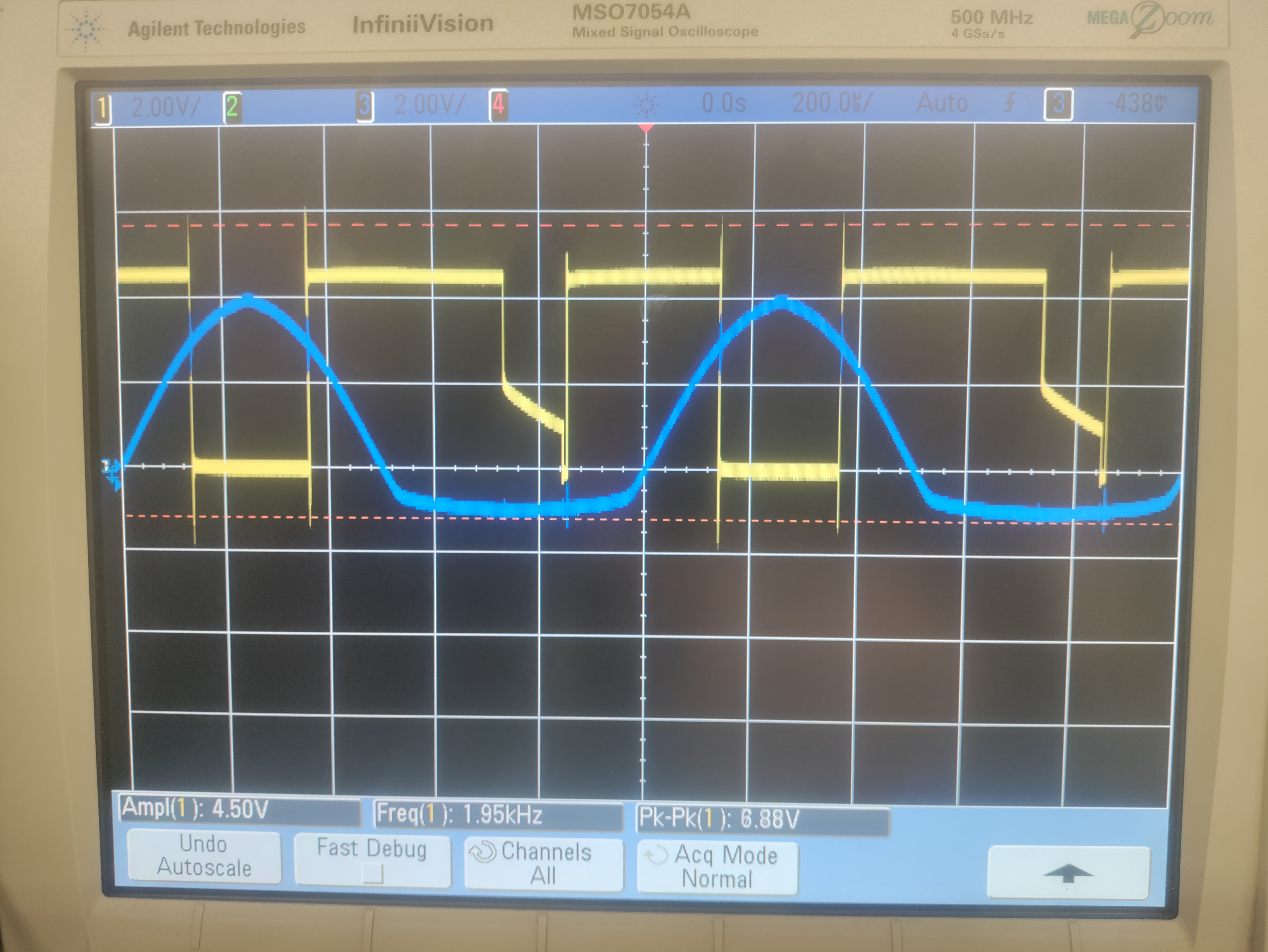
The NCS prototype was delivered as a working breadboard system documented in a 22-page report and presentation, and each lab was demonstrated and signed off with oscilloscope-verified serial-communication waveforms; see docs/EGR338_Report_3_.pdf for the full design write-up.