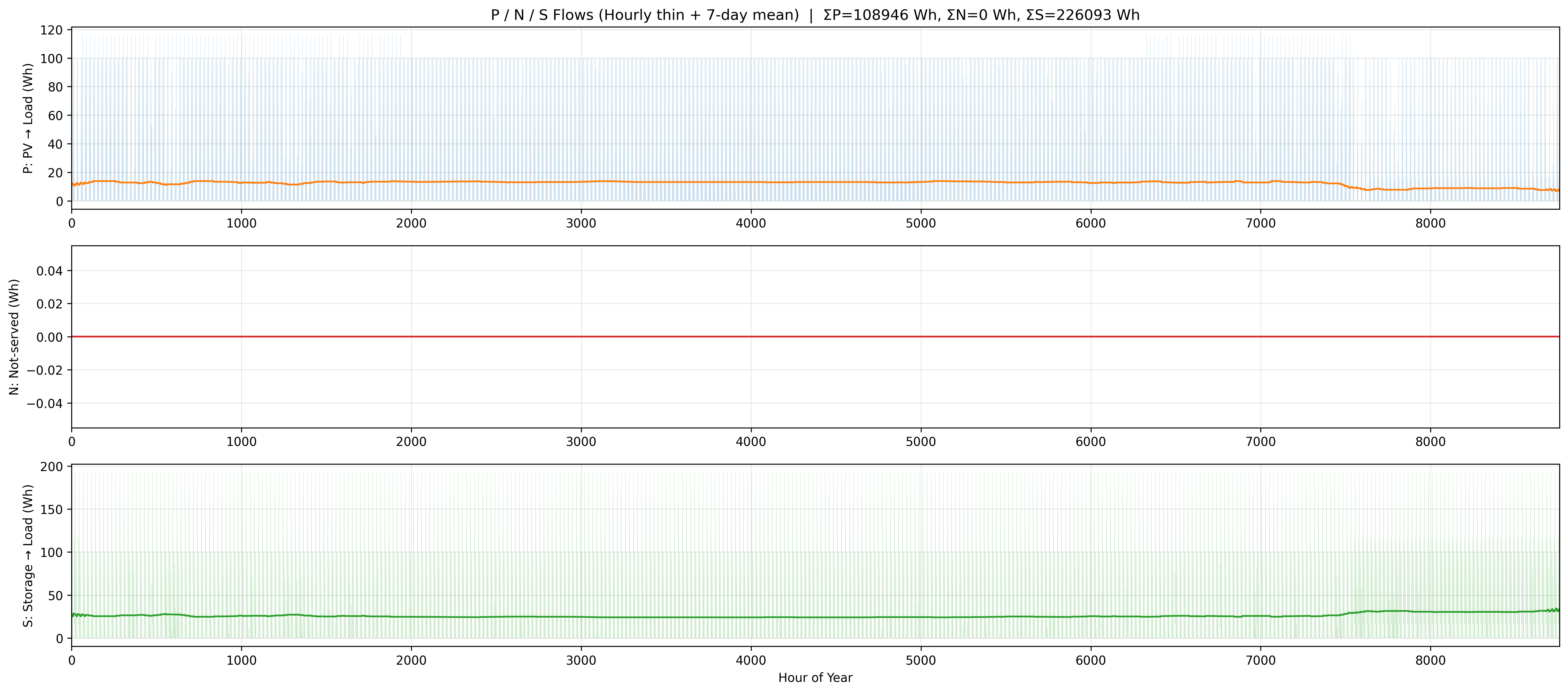
Hourly techno-economic model comparing net metering vs. net billing for residential solar-plus-storage
An EEE 591 (Photovoltaic Energy Conversion, ASU) final project that models a 5 kW residential PV system paired with a 14 kWh battery and evaluates its economics under two utility billing policies: net metering and net billing. Using an 8,760-hour (full-year) simulation with Salt River Project time-of-use rates, it quantifies annual electricity costs, net present value, levelized cost of energy, and payback period to assess whether home solar-plus-storage is financially viable under current Arizona rate structures. **Highlight:** 51.3% annual bill reduction under net metering ($1,832.55 to $892.78)
The analysis was implemented in Python with NumPy and Pandas for the hourly simulation and Matplotlib for figures. The pipeline loads 8,760-hour load and PV-production CSVs, builds a time-of-use rate array from SRP seasonal/peak definitions, dispatches the battery hour-by-hour to maximize self-consumption, then computes annual bills under each policy and runs the financial model (NPV, annualized cost, LCOE, payback) plus a battery-cost sensitivity sweep. Results are written up in an IEEE-style report with abstract, methodology, results, and conclusion.
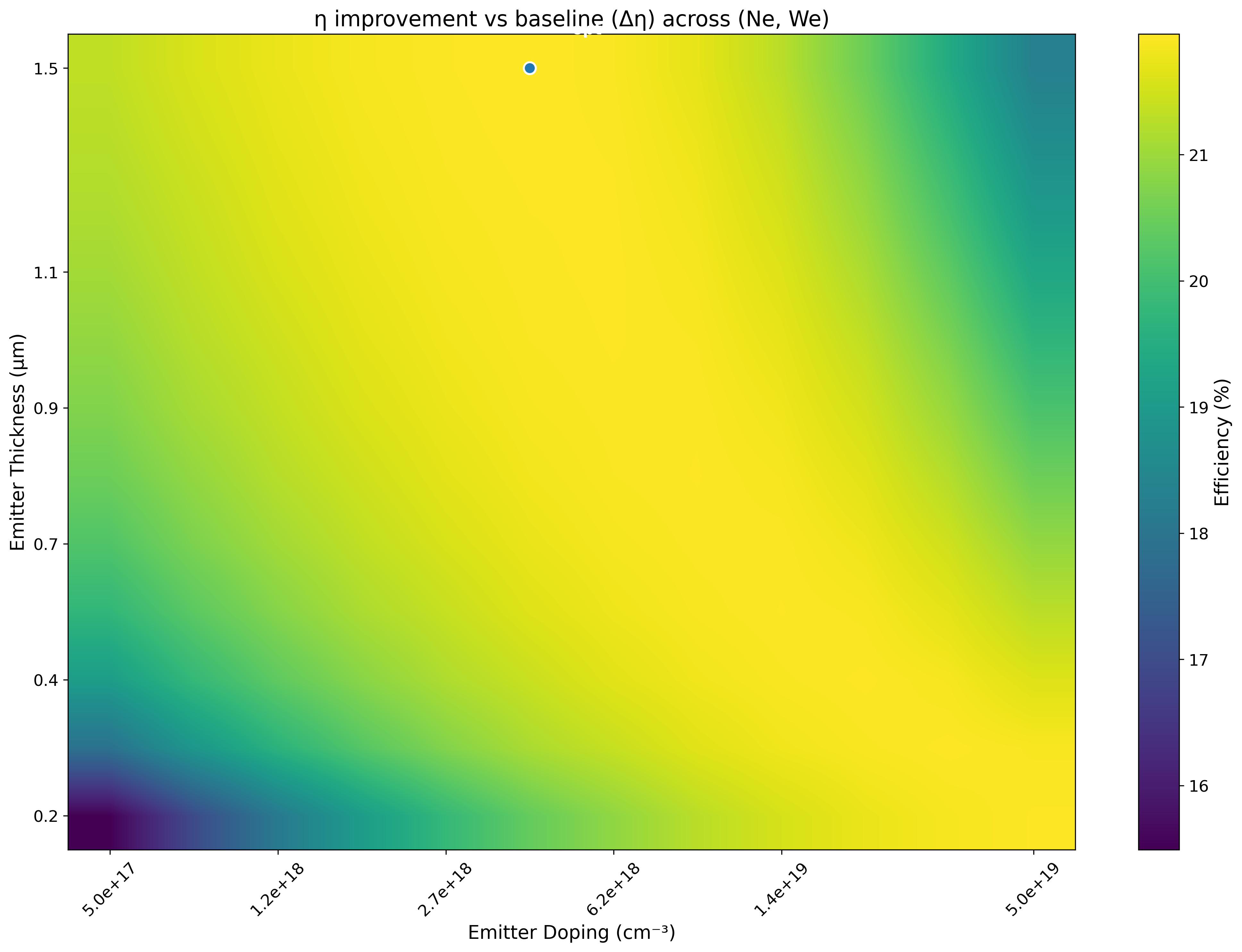
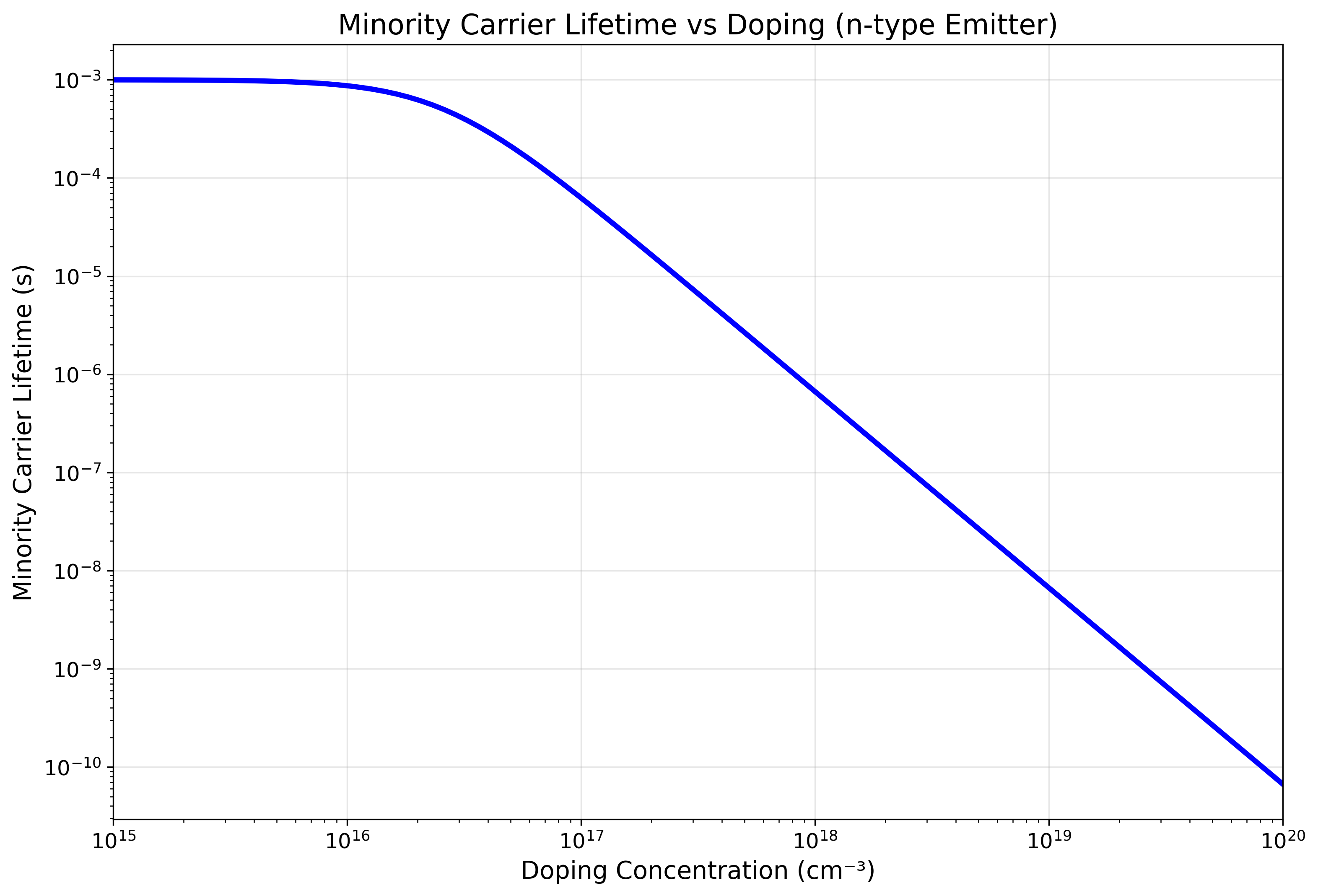
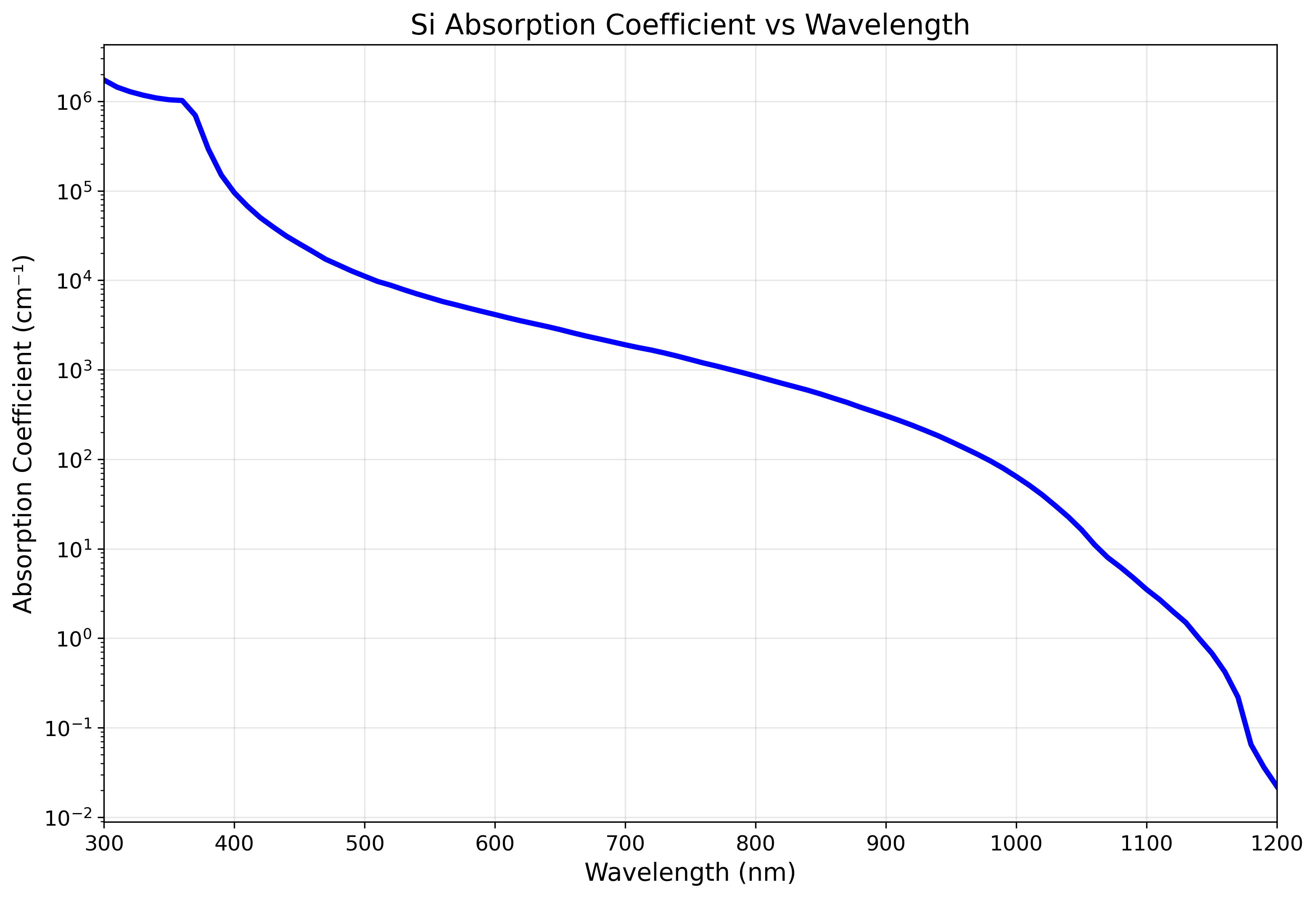
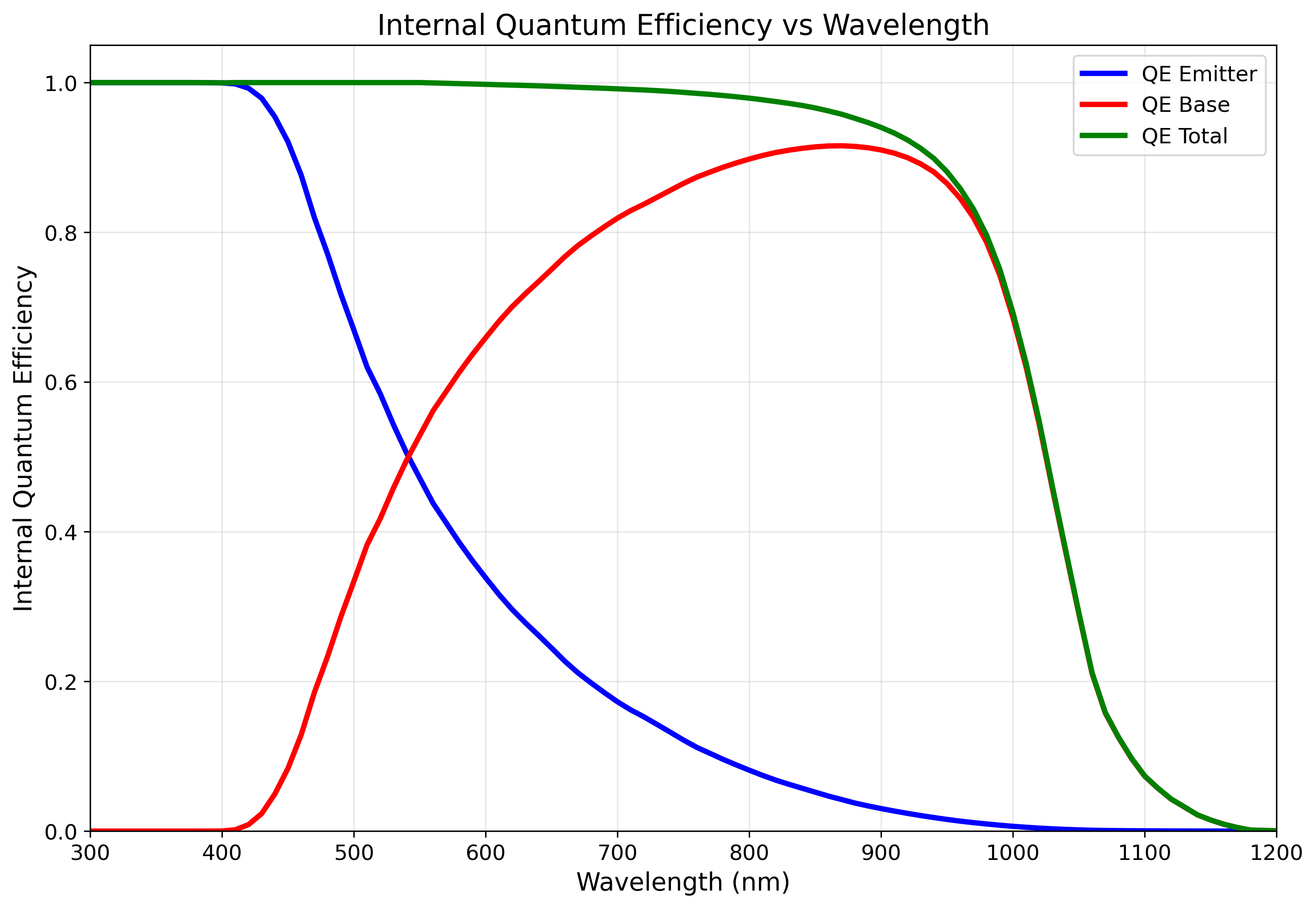
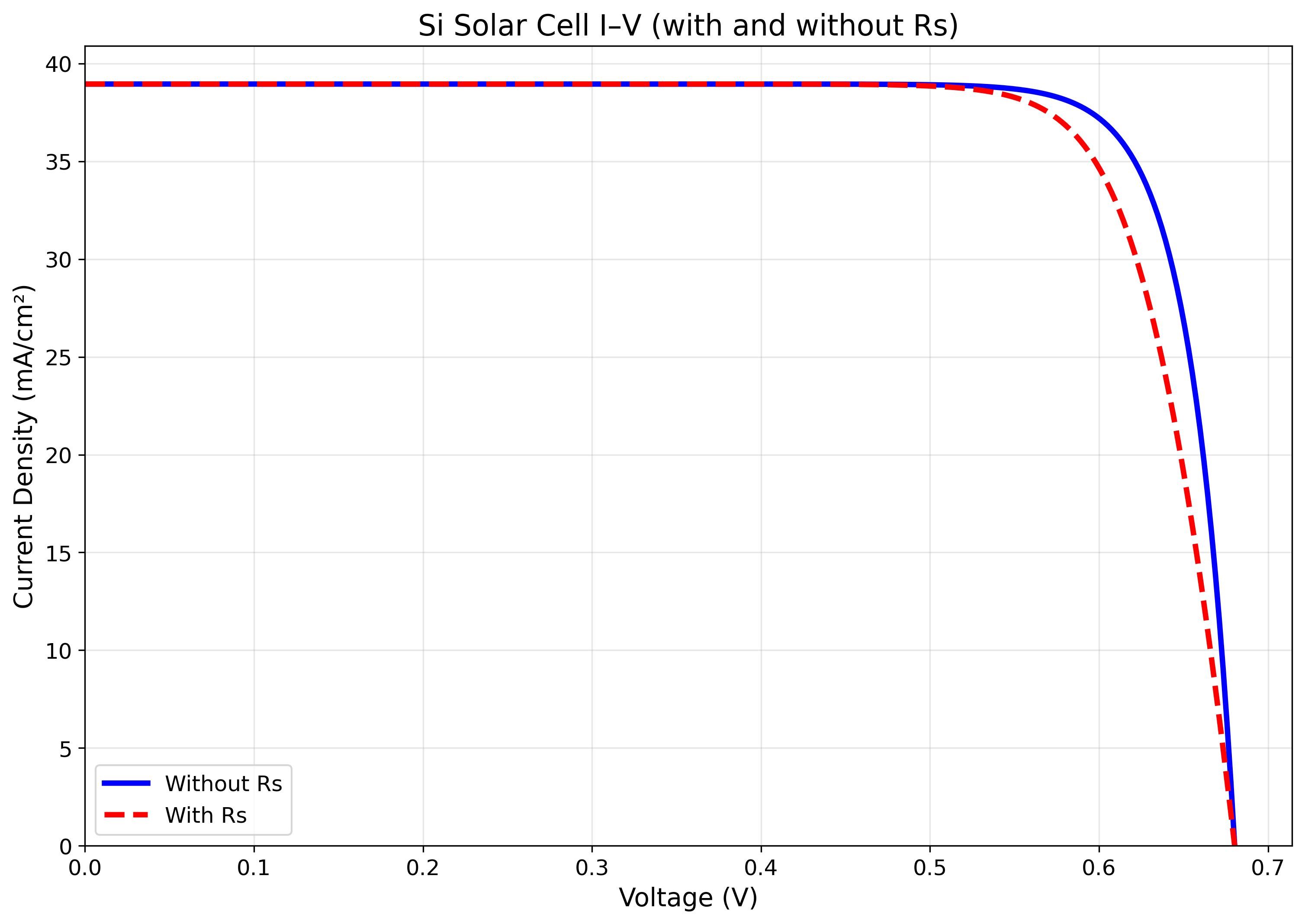
Both policies cut the annual bill by roughly 49-51% (net metering to $892.78, net billing to $920.72) but neither is economically viable under current Arizona rates: 25-year net NPV is -$7,572 (net metering) and -$8,059 (net billing), payback is 15.1-15.6 years, and LCOE is $0.0956/kWh; net metering holds a ~$487 lifetime NPV advantage. Full details are in docs/EEE591_Project_Paper-1.docx.pdf.